

I’ve spent time examining the free play section of European Roulette, and the no-registration offer is more specific than it first appears european-roulette.games. It means you can access a European roulette table or a slot title directly in your browser, use a virtual balance, and try the gameplay without creating an account, submitting documents, or making a deposit. For UK players, that is a convenient way to distinguish a game’s mechanics from its marketing before risking real money. My review focuses on what this page actually provides in demo mode, where the limits are, and what you should check before switching to real-money play. I will not describe demo results as an indicator of future wins, because they are not. Instead, I look at the functional details: game access, bonus conditions, payment expectations, licensing, mobile performance, and the practical steps to begin playing free without registration.
How No-Registration Demo Play Really Functions
When a casino page advertises free play with no registration, the real meaning is that the game client opens in a sandboxed practice mode. You are not required to create a username, set a password, verify an email address, or complete a Know Your Customer check. The game grants a virtual credit balance that has no cash value and cannot be withdrawn. In my testing, this setup typically loads faster than a real-money session because the operator does not need to connect your session to a player account or payment profile. You can place bets on a https://www.cbc.ca/news/canada/windsor/morais-olympics-incredible-1.7288997 European roulette layout, spin slot reels, and access the same rules screens you would see in the paid version. The main limitation is that your progress is not saved once you close the tab. If you reload the page, the demo balance typically resets to its starting amount.
There are a few practical consequences. You can test a strategy or a feature without spending money, but you won’t gain any winnings. You don’t earn loyalty points, wagering progress, or bonuses while in demo mode. A no-registration session doesn’t exempt you from age verification if you later decide to play for real; the absence of sign-up at the demo stage just means the operator has no legal payment relationship with you yet. I also recommend checking whether the game asks for a simple age confirmation before loading. In the UK, that’s a normal compliance step and doesn’t mean the demo is broken. It simply verifies the session is intended for an adult audience before the reels or wheel appear.
Payment Methods and Typical Processing Times
For UK players, the deposit methods that matter most are debit cards, PayPal, Skrill, Neteller, Trustly, bank transfer, and mobile payment options such as Apple Pay or Google Pay. Credit cards have been banned for online gambling in the UK since April 2020, so a legitimate UK-facing casino should not offer them as a deposit method. Deposits are usually processed instantly, and the minimum qualifying deposit is commonly between £10 and £20. I recommend using the same method for deposits and withdrawals where possible, because many operators require a closed-loop return to the original payment source for anti-money-laundering purposes. If you use an e-wallet, check whether you already have a verified account, because unverified e-wallet accounts can slow down withdrawals.

Withdrawal times vary by method and by the operator’s internal approval process. E-wallets such as PayPal, Skrill, and Neteller are typically processed within 0–24 hours once approved. Debit card withdrawals often take 3–5 business days, while bank transfer can take 3–7 business days. The first withdrawal is often the slowest because the operator may request identity documents, proof of address, or proof of payment method before releasing funds. That verification step can add 24–72 hours or more. In my experience, the most useful thing you can do is complete verification before you deposit, if the casino allows it, so your first withdrawal is not delayed. Always check whether the cashier shows a pending period, because “processed” does not mean the money has reached your bank.
Main Bonus Types and Their True Conditions
Before you move from demo play to real-money play, you should comprehend the bonus types featured on the page. A deposit match is the most common welcome promotion: the operator adds a percentage of your first deposit as bonus funds. Free spins are often attached to a specific slot. A no-deposit bonus may offer you a small amount of credit or spins after registration, but it usually comes with stricter wagering. Cashback offers refund a percentage of losses over a set period. In the UK, these promotions cannot be used with credit card deposits, and operators must present terms clearly. I always review the key terms before claiming anything, because a headline number means little without the conditions behind it. The following points are the ones I check first:
- Wagering requirement: the multiplier of the bonus or deposit you must play through before withdrawing.
- Game contribution: slots often contribute 100%, while roulette may contribute 10–20% or nothing depending on the terms.
- Maximum bet: many UK bonuses restrict you to £5 or less per spin or round while wagering.
- Expiry: bonus funds and free spins typically end within 7–30 days.
- Minimum deposit: qualifying deposits usually start around £10–£20, but check the cashier.
Slot Demos No Account Needed
The slot section of this page is just as important, because the title blends European roulette with slot demo play. In a no-registration slot demo, you get a virtual balance and can play the reels without depositing. I check the paytable first, because that reveals the number of paylines or ways, the highest-paying symbols, and whether the game employs cascading reels, expanding wilds, or other mechanics. The demo ought to use the same reel layout and random number generator configuration as the actual money version, but the operator may still show a different theoretical return depending on the build. I also use slot demos to evaluate volatility in a approximate way. A few hundred spins in practice mode can show how often base-game wins occur, how long bonus features need to trigger, and whether the game appears playable at the minimum stake. Free spins, multipliers, and pick-and-click rounds are simpler to understand when you are not watching a real balance drop. One point to check is whether a bonus-buy button appears in the demo. Some builds display it for testing, but UK real-money versions may limit that feature, so do not expect every demo option will be present after you register.
Mobile device and Hardware Support
The majority of modern casino games are developed in HTML5, so the demo ought to run straight in a portable or desktop browser with no a downloadable app. On an iPhone or Android device, I look for the same no-registration entry as on desktop: pick a game, click on the demo button, and hold on for the client to load. The main distinction is layout. European roulette gains from landscape orientation on a phone, since the table and racetrack are more extensive than a portrait screen enables. Slots generally work well in portrait mode, but certain of the newer feature-heavy titles can feel cramped on a small display. I suggest using a stable Wi-Fi connection for the first load, because large game files can eat up mobile data and take longer on a weak signal. Older phones with restricted memory may hesitate on animation-heavy slots, even in demo mode. If the game hangs, shutting other browser tabs or restarting the phone often helps. The free no-registration feature matters most on mobile, as it allows you to see whether a game is workable on your specific handset ahead of you make any deposit.
Licence Safety and Fair Play
I approach any UK-facing casino page by checking the footer for a licensing statement. For players in Great Britain, the strongest option is a licence from the UK Gambling Commission. A UKGC licence indicates the operator must adhere to rules on fund segregation, fair terms, responsible gambling, and complaints procedures. The footer should display a licence number and a link to the regulator’s register. If the page only presents a licence from another jurisdiction such as Malta or Gibraltar, that does not automatically make it unsafe, but it affects the consumer protection picture for UK residents. I would not deposit on a site that hides its licensing information or only uses vague phrases like “fully licensed” without naming the regulator.
Security is the next practical check. The site should use HTTPS with a valid TLS certificate, shown by the padlock in the browser address bar. That safeguards your payment details and login data. Fairness is harder to verify from the outside, but independent testing bodies such as eCOGRA, iTech Labs, and GLI test random number generators and return-to-player rates. If the casino provides certification for its games, that is a good sign. The demo mode itself cannot prove that real-money games are fair, because a demo could in theory run on a different build. However, a reputable operator should use the same RNG for both modes. UK players should also look for responsible gambling tools such as deposit limits, session reminders, time-outs, and self-exclusion through GAMSTOP.
Roulette Europe Layouts and the Trial Distinction
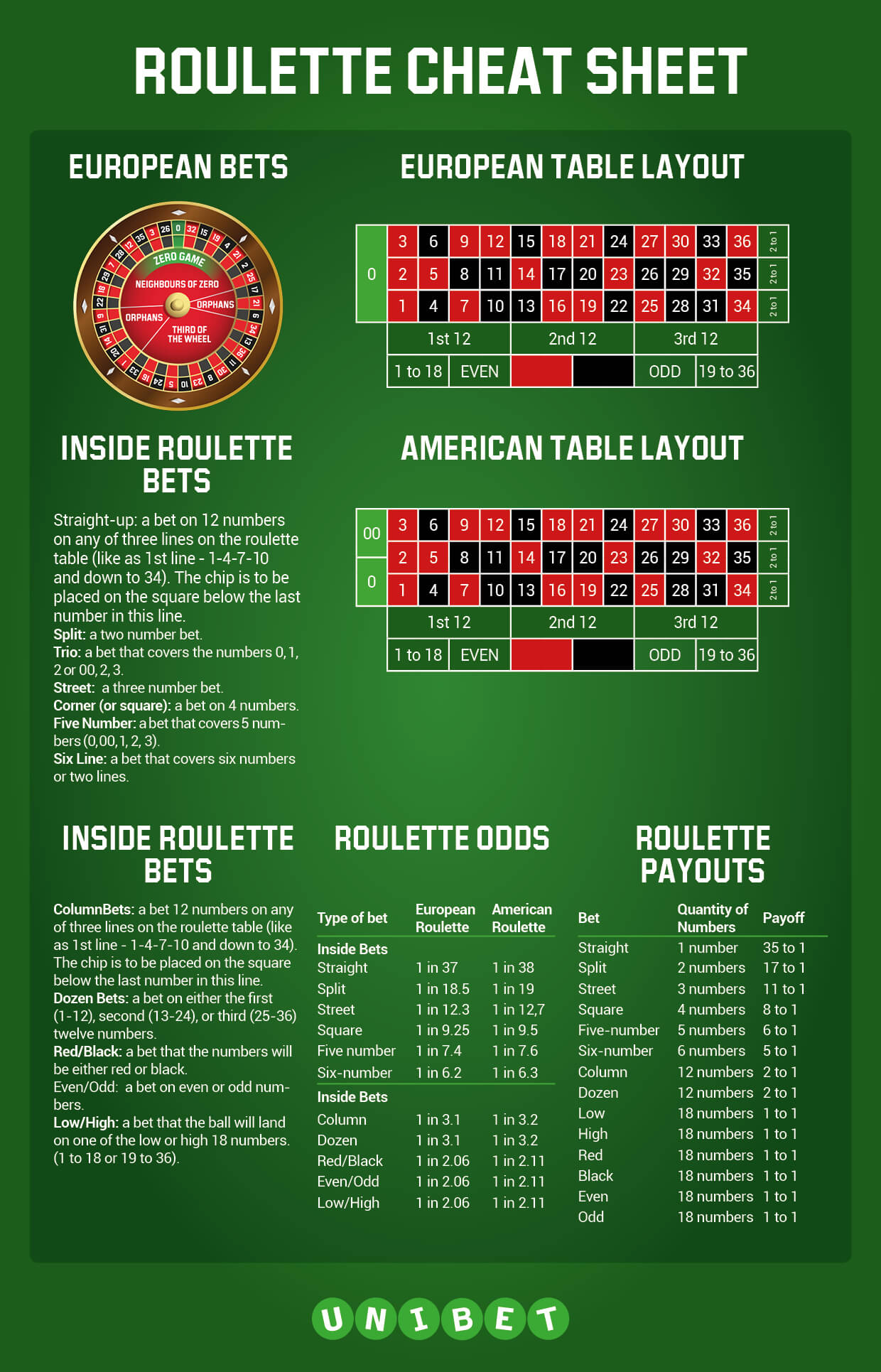
European wheel is designed around a wheel with 37 slots: numbers 1 to 36 plus a single zero. That single zero is the primary reason the house edge is 2.70% on most stakes, relative with 5.26% on an American wheel that adds a double zero. In the practice, I always confirm whether the layout matches the standard single-zero structure, because some games label themselves “European” but still use a simplified table with fewer call bets. A full European roulette demo should display straight-up payouts of 35:1, split bets at 17:1, street bets at 11:1, corner bets at 8:1, and outside bets such as red/black, odd/even, and high/low at even money. If the game includes a racetrack, you can also test announced bets like voisins du zéro, tiers du cylindre, and orphelins.
The practice stands apart from real-money play primarily in risk and session depth. You can make aggressive progression bets in the demo without losing anything, which is valuable for grasping how quickly a losing run can influence a bankroll. However, the trial cannot mimic the emotional pressure of a live cash balance. I suggest using demo mode to verify whether a version includes French rules such as la partage or en prison, which reduce the effective house edge on even-money bets to about 1.35%. If the help file does not reference those rules, do not assume they apply. In my opinion, the main value of the trial is mechanical: you master how to clear bets, set a stake, use the racetrack, and follow the spin history before you confront the same controls with real money.
How to Start Playing Free With No Registering
The free play route is straightforward, but the exact button label can vary between roulette and slot titles. Some games say “Demo”, others say “Try”, “Free Play”, or “Practice”. I typically follow a short sequence to steer clear of landing in the real-money registration form by accident. This process should not demand an email address, phone number, or payment card. If you are prompted to create an account before the game loads, you have likely selected the real-money version, or the operator has confined free play to registered users. In my experience, the most obvious free play buttons appear on the game thumbnail or in a secondary menu rather than inside the cashier. The game client may show an age-verification prompt; confirming that you are 18 or over is standard and not the same as registration.
- Open the European Roulette page on your mobile or desktop browser.
- Choose the roulette or slot game you want to inspect.
- Press or tap the demo, free play, or practice button on the game tile.
- Acknowledge the age prompt if one appears and hold on for the game to load.
- Utilize the virtual balance to try out bets, features, and rules without entering any personal data.
What Actually Sets the Experience Apart
The combination that stands out on European Roulette is not one specific feature but the way the page removes friction before you commit. You can inspect a single-zero roulette game and a range of slots without submitting your name, email address, or payment details. That is helpful because many UK casino sites require registration before you can even view the table layout or paytable. Here, the demo-first approach enables you to answer practical questions immediately: Does the roulette game include the racetrack? Is the slot bonus round worth the wait? Will the game perform well on your phone? The value lies in the ability to answer those questions without setting up an account you may not want.
However, I do not view no-registration demo play as a reason to overlook the real-money checks. Before depositing, you should still verify the operator’s licence, read the bonus terms, and consider payment processing times. The demo won’t reveal whether a withdrawal will be handled efficiently or whether customer support is helpful. For UK players, the safest approach is to use the free play mode as a product test and then use the same scrutiny you would to any gambling site before registering. The free access promise is delivered when the games load quickly, the rules are clear, and no account wall appears. That is just what I look for from a page built around European roulette and slot demo play.